
How Food CGI Is Transforming F&B Marketing in Egypt and the GCC

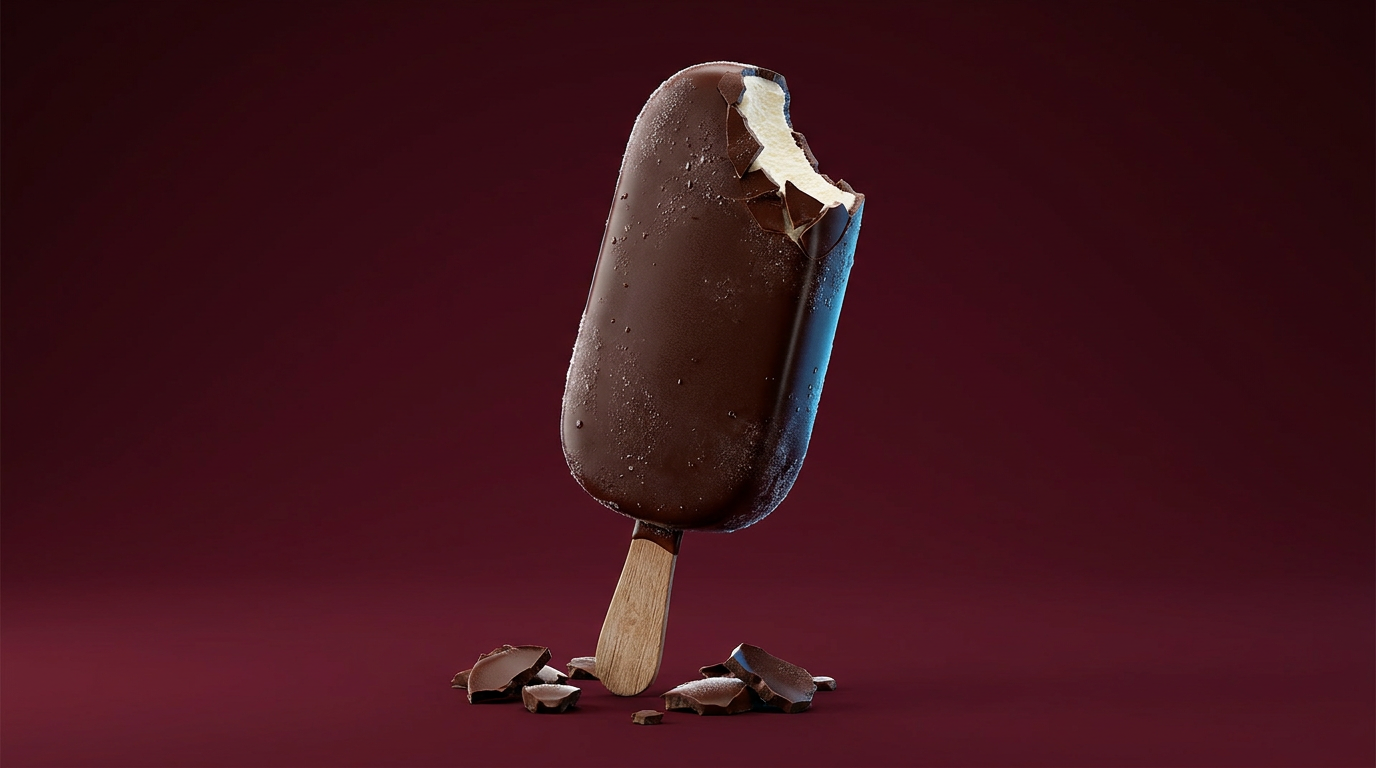
Food is, without question, the hardest thing in the world to photograph well.
It melts, wilts, deflates, and changes color the second it leaves the kitchen. A burger photographed an hour after assembly looks nothing like the burger that came off the grill. Ice cream has roughly four minutes of dignity before it gives up entirely. Steam, the thing every hot dish needs to look appetizing, disappears in seconds under studio lights.
This is exactly why food CGI has exploded across F&B marketing in Egypt and the wider GCC over the past few years — and why the brands using it well are pulling visibly ahead of the ones still relying purely on food photography.
Why Food Is a Uniquely Difficult Category
Every category has its production challenges, but food carries a few that are almost unique to it.
It’s perishable, literally, during the shoot. Food stylists are remarkable professionals, but they’re fighting physics. Lettuce wilts. Sauce settles. Cheese stops being stretchy the moment it cools.
“Appetizing” is a moving target. A dish that looks perfect to the eye in person can look flat, greasy, or unappealing under camera lighting. Food photographers spend years learning tricks — glycerin for water droplets, motor oil standing in for syrup — just to compensate for how unforgiving the camera can be.
Steam, sizzle, and pour shots are notoriously hard to time. Getting a shot of sauce cascading over food, or steam rising convincingly off a plate, often takes dozens of takes and a fair amount of luck.
Regional adaptation multiplies the problem. A single F&B campaign across Egypt, Saudi Arabia, and the UAE often needs different dishes, different packaging, different cultural framing — which historically meant multiple full productions.
What Food CGI Actually Solves
CGI sidesteps almost every one of these problems, because nothing in the shot is subject to time, temperature, or gravity unless the artist wants it to be.
The food never wilts, melts, or settles — because it’s never real. A 3D-rendered burger looks exactly as good on render 40 as it did on render 1.
Steam, sizzle, and pours become controllable simulations instead of one-take gambles. An artist can dial in exactly how much steam rises, exactly how the sauce flows, and adjust it as many times as needed until it’s right.
One dish can become a full regional campaign. A hero shot built in 3D can be re-rendered with different garnishes, different plating styles, or different backgrounds to suit Cairo, Riyadh, or Dubai — without cooking a single new plate.
New menu items can be marketed before they’re finalized. A restaurant chain can visualize and test a new product’s hero shot while the recipe is still being refined in the kitchen.
Why This Matters More in Egypt and the GCC Specifically
The F&B and FMCG food landscape across this region has a few characteristics that make CGI particularly valuable right now.
The market is genuinely competitive. Egypt’s F&B and consumer goods sector and the Gulf’s fast-growing F&B scene mean shelf space and feed space are both crowded. Visual quality has become a real differentiator, not a nice-to-have.
Regional campaigns are the norm, not the exception. Brands operating across Egypt, Saudi Arabia, and the UAE need visuals that work for all three markets, often with subtle cultural or aesthetic adjustments. CGI makes that adaptation fast and consistent.
Delivery and quick-commerce platforms have raised the visual bar. When a customer is choosing a meal from a grid of thumbnail images on an app, the dish with the more appetizing hero shot wins the click. CGI consistently produces that “perfect bite” look that’s almost impossible to nail with a rushed photoshoot.
Local studios are catching up fast. A few years ago, high-end food CGI mostly came from international studios at international prices. That’s changed. Regional studios with the right talent and tools can now deliver the same quality, faster, and with a better understanding of local brand context.
What to Look for in a Food CGI Partner
Not all CGI is equal, and food is one of the categories where the gap between good and great is extremely visible to the average viewer — even if they can’t articulate why.
Material accuracy matters enormously. Sauce should look like sauce, not like paint. Cheese should stretch the way cheese stretches. A studio with genuine food CGI experience will obsess over these details because viewers notice them instinctively, even subconsciously.
Lighting needs to mimic real appetite appeal, not just technical accuracy. There’s a specific warmth and glow that makes food photography (and food CGI) work — flat, accurate lighting isn’t the same as appetizing lighting.
Look for studios that understand motion, not just stills. A lot of food marketing now lives in short-form video — a pour, a slice, a steam rise. That requires simulation expertise beyond what a single static render needs.
Ask to see category-specific work, not just a general 3D reel. Food CGI is its own specialty within product CGI, and experience with beverages, sauces, or baked goods specifically tells you a lot about what a studio can actually deliver.
The Shift Is Already Happening
Brands across Egypt and the GCC that have adopted food CGI for hero shots, menu visuals, and campaign content aren’t doing it as an experiment anymore — it’s becoming a standard part of the production toolkit, alongside (not instead of) traditional food photography.
The brands still treating CGI as optional are increasingly the ones whose visuals look slightly less polished next to competitors who made the switch a year or two earlier.
Squirrel Studio is a Cairo-based CGI studio specializing in food and product visualization for F&B and FMCG brands across Egypt and the GCC. If you’re exploring what food CGI could look like for your menu or product line, get in touch.
