
CGI vs. Traditional photography: Which Is Right for Your Brand?

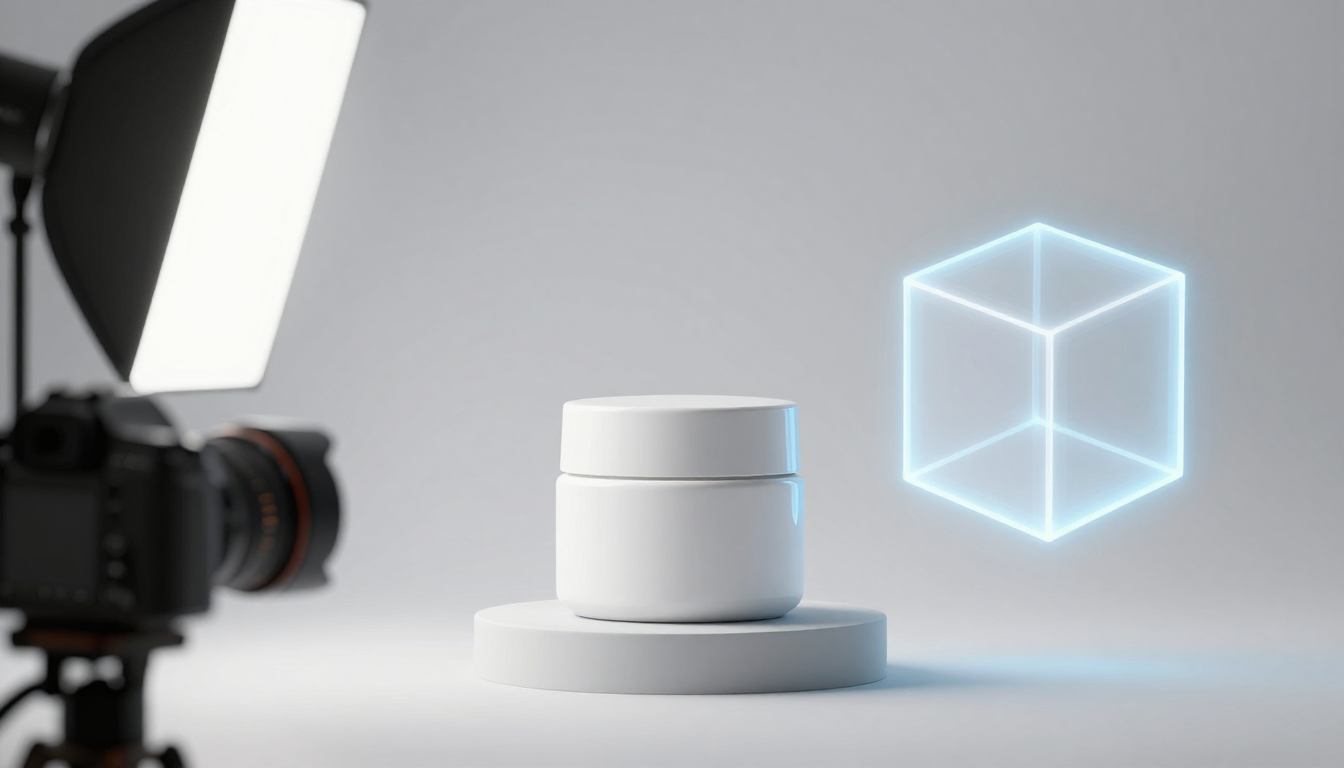
Every marketing team eventually runs into this conversation: should this be shot, or should this be rendered?
It usually comes up at the worst possible time — mid-campaign, with a deadline already tight, and someone on the team asking why the budget for a “simple product shot” suddenly tripled.
The truth is that CGI and photography aren’t competitors fighting for the same job. They’re two different tools that happen to produce a similar-looking result through completely different processes. Knowing which one to reach for — and when — can save a brand significant time, money, and creative headaches.
Here’s how to actually make that call.
What Photography Does Better
Photography has one advantage CGI can never fully replicate: it captures something that actually happened.
Authenticity. A real hand holding a real product, a real bite taken out of real food, a real moment of human reaction — these carry a texture and unpredictability that’s hard to fake convincingly. Audiences are getting sharper at spotting synthetic content, and for certain formats, that authenticity matters more than perfection.
Speed for simple, one-off needs. If you need three quick lifestyle shots of a product on a kitchen counter for next week’s social post, a same-day photoshoot can genuinely be faster than commissioning a full 3D build.
Lower cost for small, single-use jobs. A basic photoshoot with minimal setup can be more economical than CGI when you only need one or two images and have no plans to reuse or scale the asset.
Human emotion and spontaneity. Influencer content, behind-the-scenes footage, candid reactions — this is photography and video’s home turf. CGI can simulate a lot of things, but it can’t simulate a genuine human moment.
What CGI Does Better
CGI earns its place the moment a project needs more than a single perfect shot — and that’s most FMCG marketing.
Total creative control. Every light source, reflection, shadow, and material property is adjustable down to the smallest detail. There’s no “we’ll fix it in post” because nothing is locked in until you decide it is.
Consistency at scale. A 3D model built once can produce dozens of variations — different angles, backgrounds, lighting moods, and markets — all from the same source file, all perfectly matched to brand standards.
No dependency on the physical product. This is huge for FMCG. Campaigns for products that haven’t shipped yet, packaging redesigns still in approval, or seasonal SKUs that only exist for six weeks a year can all be visualized before a single physical unit exists.
Mastery over difficult subjects. Liquids, steam, ice, splashes, fabric, smoke — the things that make photographers nervous are exactly what 3D simulation handles with precision. Want a perfect cross-section of a yogurt cup mid-pour? That’s a routine CGI brief, and a near-impossible photography one.
Long-term cost efficiency. A 3D asset is reusable. Once built, it can be re-rendered for new campaigns, new seasons, or new regional markets without the cost of organizing an entirely new production.
A Practical Way to Decide
Instead of treating this as CGI versus photography, try running the brief through these questions:
Does the product physically exist yet?
If not, CGI is your only realistic option.
Will this asset need to be reused, resized, or adapted for multiple markets?
If yes, CGI pays for itself quickly. If it’s a single, one-time use, photography may be simpler.
Does the shot involve liquids, ice, steam, or any “hard to photograph” element?
CGI handles these with far more control and far less risk of a wasted shoot day.
Is the goal to capture genuine human emotion or real-world authenticity?
That’s photography’s strength, and CGI shouldn’t try to force its way into that lane.
Is brand consistency across multiple SKUs or regions a priority?
CGI’s biggest strength is producing visually identical results across an entire campaign, no matter how many variations are needed.
The Brands Getting This Right Don’t Choose Sides
The most effective marketing teams we work with don’t ask “CGI or photography” as a permanent policy decision. They ask it project by project.
A campaign might use photography for a lifestyle hero shot of someone enjoying the product, and CGI for the hero packshot, the social cutdowns, and the regional adaptations of that same campaign. Neither tool is replacing the other — they’re each doing the part of the job they’re actually good at.
That’s the mindset shift worth making: stop thinking of CGI as a substitute for photography, and start thinking of it as a second production method that happens to remove most of photography’s biggest constraints — cost at scale, physical limitations, and the impossibility of shooting a product that doesn’t exist yet.
Where to Start
If your team is weighing this decision for an upcoming campaign, the fastest way forward is usually a conversation with a studio that does both — one that can look at the actual brief and tell you honestly which approach fits, instead of pushing whichever service they happen to sell.
That’s a conversation worth having before the budget gets locked in, not after.
Squirrel Studio works across both CGI and photography-informed production for FMCG and F&B brands in Egypt and the GCC. If you’re trying to figure out the right approach for your next campaign, let’s talk it through.
