
How We Use AI Tools in Real Client Projects — and What We Learned

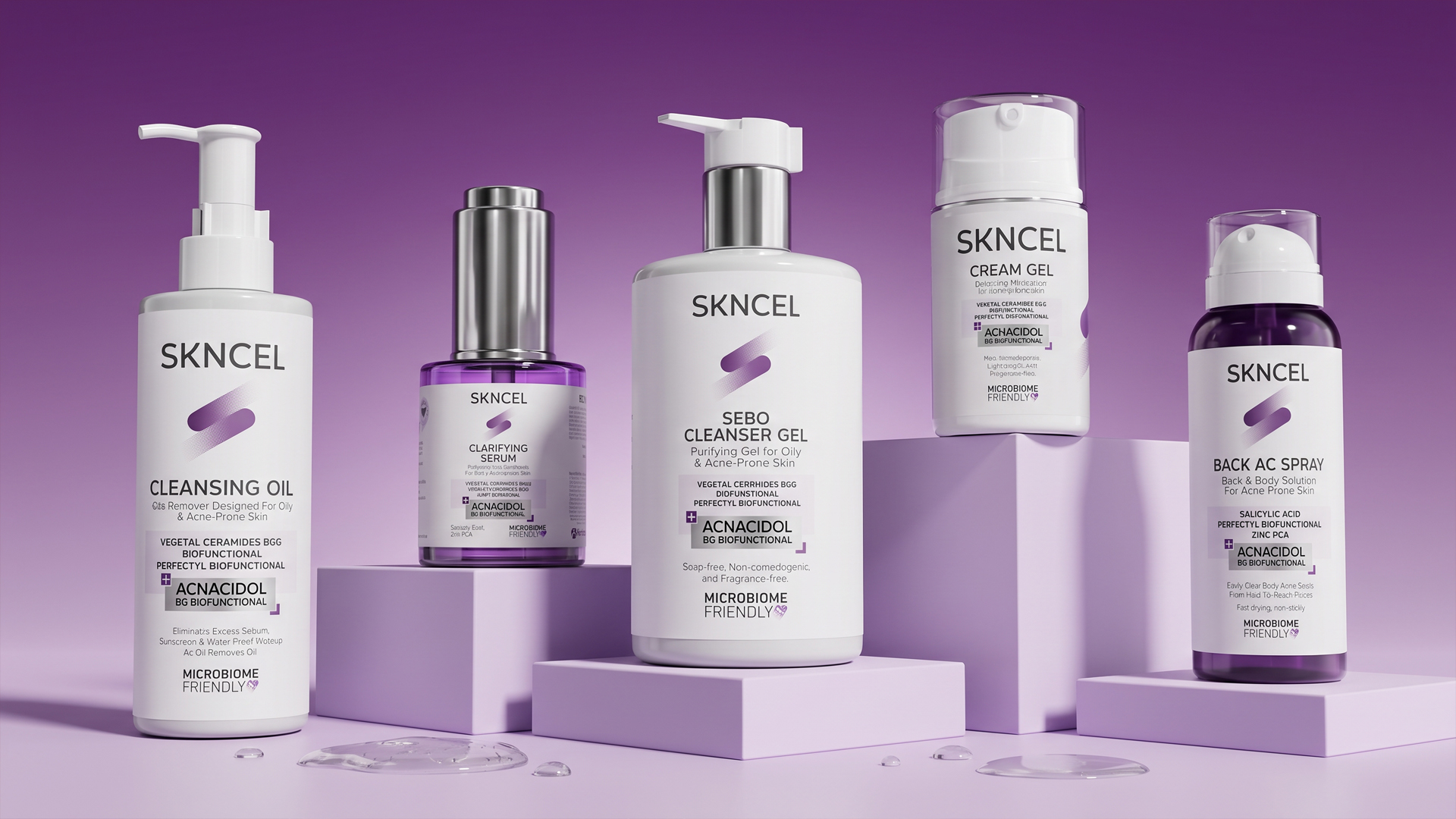
Every few weeks someone asks us the same question, usually in a slightly different wording: “So do you guys just type a prompt and the video comes out?”
No. And if a studio ever tells you that’s how it works, ask to see their revision history on a real client project.
We’ve been running AI tools — Nano Banana, Nano Banana Pro, Seedance 2, Kling — inside actual commercial pipelines for brands like Almarai, Herfy, and Froneri. Not test renders. Not personal experiments we post on Instagram and never show a client. Real briefs, real deadlines, real “the client wants the packaging angle changed at 11pm the night before delivery” moments.
Here’s what we’ve actually learned from that.
Where AI genuinely earns its place
Pre-visualization. This is the biggest one. Before we build anything in 3D, we can now put a rough visual in front of a client in hours instead of days. Nano Banana Pro lets us test a composition, a lighting mood, a color direction — and get client sign-off on the concept before anyone touches a CGI render. That alone has cut our revision cycles on the front end by a wide margin, because the disagreements happen early and cheap, not late and expensive.
Motion for specific, controlled shots. Seedance 2 and Kling have gotten good — genuinely good — at short, controlled camera moves on a locked hero asset. A slow push-in on a product, a subtle liquid ripple, a light sweep across a label. When the shot doesn’t need to defy physics or hold perfect brand-color accuracy across 200 frames, these tools save us real production time.
Client-facing exploration. When a brand manager says “I want something like X but I’m not sure,” AI lets us generate five directions in an afternoon instead of five sketches over three days. It’s changed how early-stage creative conversations happen with clients — faster, more visual, less “trust me on this.”
Where we still don’t touch it
Anything requiring exact product fidelity. If a client’s product shape, label text, or proportions need to be pixel-accurate — and in FMCG, they almost always do — AI models still drift. A logo warps slightly. A cap shape rounds off wrong. We’ve had this happen enough times that our rule is simple: if brand accuracy is non-negotiable, that asset gets built in 3D, full stop.
Long-form motion with complex physics. Liquid pours, fluid dynamics, product interactions with multiple moving elements — this is still Houdini and traditional 3D simulation territory. AI video models handle short, contained motion well. They still fall apart on anything that needs to obey real physical rules for more than a couple of seconds.
Final delivery on flagship hero shots. For the single image or shot that’s going to be the face of a campaign — the one going on billboards, on the packaging redesign reference, in the pitch deck — we build it fully in CGI. Not because AI can’t get close. Because “close” isn’t the standard when a client is spending real media budget behind an asset.
What we tell clients honestly
We don’t hide which parts of a project used AI and which didn’t. If anything, it’s the opposite — clients ask, and we walk them through it, because the honest answer builds more trust than pretending everything came out of one magic pipeline.
The pattern that’s emerged for us looks like this: AI compresses the early and middle stages — concepting, direction testing, quick motion drafts for internal review. Traditional CGI still owns the final, client-facing, brand-critical output. That’s not a limitation we’re waiting to outgrow. It’s just where the tools are genuinely reliable versus where they’re not, as of right now.
The bigger lesson
The studios that are going to struggle over the next couple of years aren’t the ones using AI. They’re the ones using it as a replacement for craft judgment instead of an addition to it. We’ve seen prompts that look impressive in isolation completely fall apart the moment you put them next to a real brand guideline, a real product reference, a real client who knows exactly what their bottle looks like from every angle.
AI didn’t remove the need for someone who understands lighting, composition, and what makes a product actually look premium. It just changed which parts of getting there are fast now, and which parts still need someone who’s spent years learning why a shot works.
Squirrel Studio produces CGI and AI-assisted commercial content for FMCG and F&B brands in Egypt and the GCC. If you’re trying to figure out where AI actually fits in your next production, talk to us.
